
A successful commercial sign installation involves far more than simply mounting a sign on a wall. From early planning to final inspection, the signage installation process is structured, detail-driven, and designed to ensure safety, compliance, and long-term performance. Understanding each phase can help business owners set realistic expectations and avoid common delays.
Understanding the Scope of Sign Installation
At its core, sign installation is a multi-step process that includes planning, preparation, installation, and verification. Professional sign installers focus on accuracy, safety, and adherence to local regulations rather than speed.
This means every project is evaluated for factors like:
- Structural integrity of the mounting surface
- Visibility and placement for maximum impact
- Compliance with zoning laws and building codes
These considerations ensure that the finished sign is both effective and durable.
Step 1: Consultation and Site Survey
The signage installation process typically begins with an in-depth consultation and site survey. This phase helps determine what is feasible and what adjustments may be required before installation begins.
During this stage, sign installers will:
- Evaluate the installation location and surrounding environment
- Measure dimensions and assess materials like brick, stucco, or metal
- Identify obstacles such as power lines or limited access areas
- Confirm compliance with local codes and property guidelines
A thorough site survey is critical, as skipping it can lead to costly delays or redesigns later in the project.
Step 2: Permits, Engineering, and Planning
Before any physical work begins, most commercial projects require permits and approvals. This phase often includes:
- Zoning research and code compliance
- Engineering drawings and load calculations
- Landlord or municipal approvals
These steps are essential because improperly permitted signage can result in fines or forced removal. In many cases, permitting is the longest part of the commercial sign installation timeline.
Step 3: Pre-Installation Preparation
Once approvals are secured, the focus shifts to preparing the site and materials. This includes:
- Confirming the sign matches approved specifications
- Gathering tools, lifts, or cranes if needed
- Establishing safe work zones and access points
Professional sign installers also verify that all hardware and mounting systems are appropriate for the structure.
Step 4: The Sign Installation Process
This is the most visible phase of the project, where the actual sign installation takes place. Depending on the size and complexity, installation can take anywhere from a few hours to multiple days.
Typical steps include:
- Installing mounting brackets or anchors
- Lifting and positioning the sign
- Aligning the sign for proper visibility
- Securing all components for stability
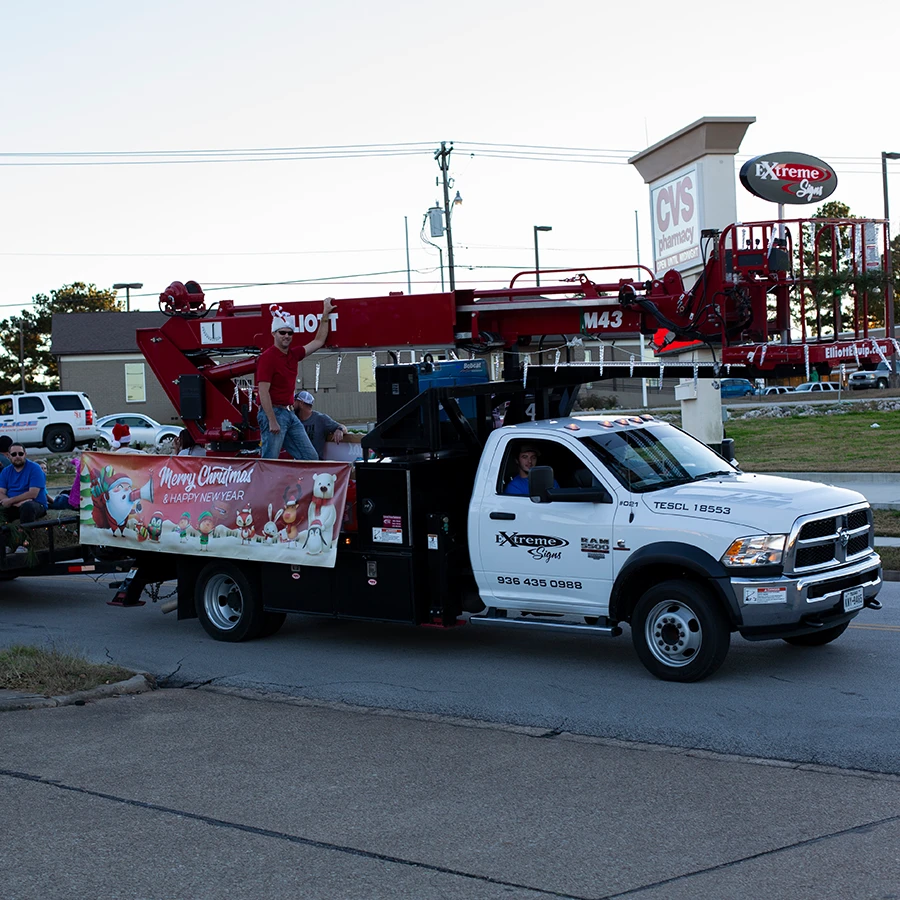
For larger or elevated signage, crews may use specialized equipment such as cranes or aerial lifts, along with strict safety protocols.
Step 5: Electrical Work and Testing
If the sign is illuminated, licensed professionals will handle electrical connections. This step ensures the sign functions properly and meets safety standards.
Key tasks include:
- Connecting to a power source
- Testing lighting and visibility
- Verifying compliance with electrical codes
Proper testing helps prevent issues like uneven lighting or electrical failures after installation.
Step 6: Final Inspection and Cleanup
After installation, a final inspection ensures everything meets design specifications and safety requirements. This includes:
- Checking structural stability and alignment
- Confirming electrical functionality
- Verifying compliance with approved plans
Once approved, the crew will clean the site and remove any debris, leaving the area ready for business operations.
Timeline and What Can Affect It
While the physical sign installation may only take a few hours, the full project timeline is often longer due to planning and approvals.
Common factors that impact timelines include:
- Permit approval delays
- Weather conditions for outdoor installs
- Site accessibility and equipment needs
- Complexity of the sign design
Most projects take several weeks from initial planning to final installation.
Why the Process Matters
A well-executed commercial sign installation ensures that your signage is not only visually appealing but also safe, compliant, and built to last. Cutting corners during the installation process can lead to structural issues, visibility problems, or costly rework.
Working with experienced sign installers helps ensure:
- Proper placement for maximum visibility
- Secure mounting for long-term durability
- Compliance with all applicable regulations
Final Thoughts
Understanding what to expect during a sign installation can make the entire experience smoother and more predictable. From the initial survey to the final inspection, each step in the commercial sign installation process plays a critical role in delivering a high-quality result.
By planning ahead and recognizing the importance of each phase, businesses can ensure their signage investment performs effectively for years to come.